Key Points:
- High-Level Diplomatic Demarche: Japanese Foreign Minister Toshimitsu Motegi met Russian Foreign Minister Sergei Lavrov on the sidelines of the G20 Foreign Ministers’ Meeting in Atlanta, issuing a firm demand for the immediate release of a Japanese national detained in Russia’s Sakhalin region.
- Rare Direct Interaction: The encounter marked the first formal ministerial meeting between Japan and Russia in five years, taking place amidst severe diplomatic strains over the war in Ukraine and long-standing territorial disputes.
- Espionage Allegations: The detained Japanese national, identified as a journalist for the Hokkaido Shimbun newspaper, was arrested by Russian authorities in Sakhalin on suspicion of espionage—a charge firmly rejected by Japanese officials.
- Ukraine and Bilateral Relations: Minister Motegi urged Russia to take positive actions toward establishing a “just and lasting peace in Ukraine,” while Moscow reiterated that full diplomatic resumption requires Tokyo to end its “unfriendly policies” and Western sanction alignment.
- G20 Tension and Diplomatic Protests: The meeting occurred alongside broader multilateral tension at the Atlanta summit, where European representatives skipped the traditional G20 family photograph in protest of Russia’s presence.
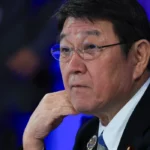
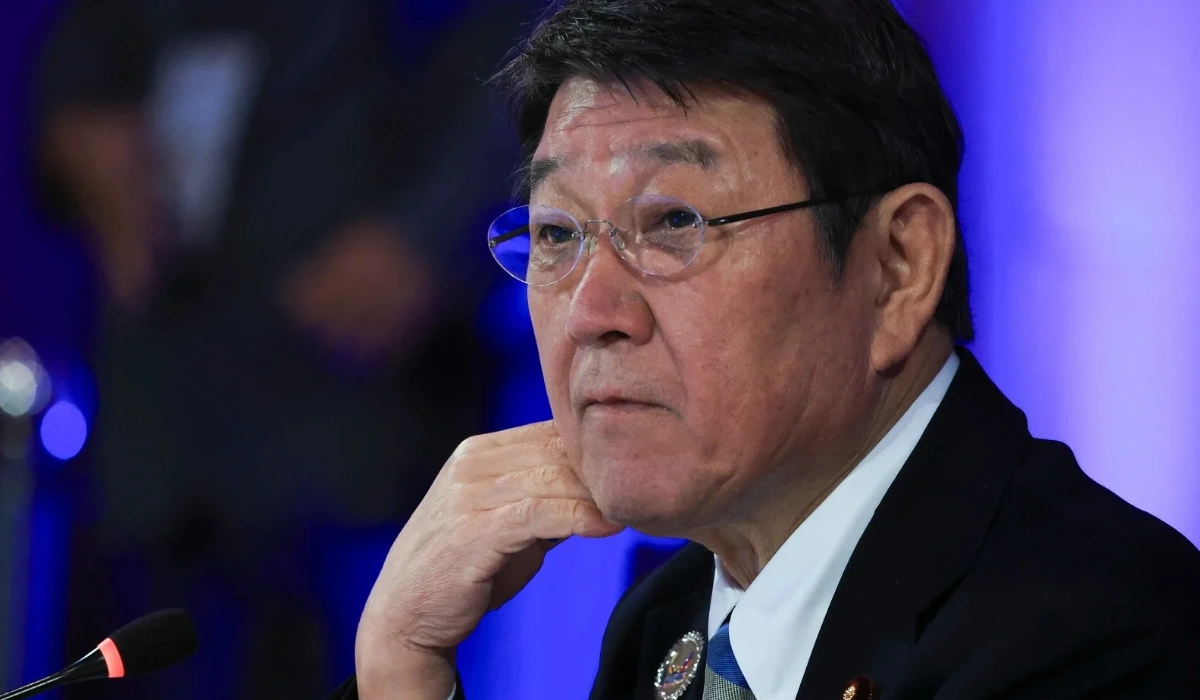
Japan (Japan Daily News) October 31, 2026 – Japanese Foreign Minister Toshimitsu Motegi conducted a rare face-to-face meeting with Russian Foreign Minister Sergei Lavrov on Friday, 30 October 2026, on the sidelines of the G20 Foreign Ministers’ Meeting in Atlanta to demand the immediate release of a Japanese national detained by Russian authorities. As confirmed by statements from both foreign ministries, the high-level demarche comes in the wake of Russia’s detention of a Japanese journalist in its far eastern Sakhalin region on espionage charges earlier this month. Despite bilateral relations reaching a historical low over Japanese sanctions against Moscow for its war in Ukraine, both diplomats agreed to maintain open channels of communication moving forward.
- Key Points:
- What were the key demands made by Japanese Foreign Minister Motegi during the Atlanta talks?
- Why was the Japanese journalist detained in Russia’s Sakhalin region?
- How did Russia respond to Japan’s demands during the G20 meeting?
- What broader diplomatic tensions surrounded the G20 summit in Atlanta?
- Background of Japan-Russia Bilateral Relations and Territorial Disputes
- Japanese Foreign Policy, Energy Security, and Diplomatic Negotiations
What were the key demands made by Japanese Foreign Minister Motegi during the Atlanta talks?
As reported by diplomats and foreign affairs writers for Reuters and Anadolu Agency, Japanese Foreign Minister Toshimitsu Motegi utilised the bilateral encounter in Atlanta to present a formal diplomatic demarche regarding multiple contentious issues between Tokyo and Moscow.
According to an official statement issued by Japan’s embassy in Washington following the bilateral discussion, Minister Motegi focused his agenda primarily on the security of Japanese citizens abroad and global peace efforts. As reported by Reuters, the Japanese embassy statement specified that “Regarding the detention of a Japanese national in Sakhalin Oblast, Minister Motegi strongly demanded the immediate release”.
Additionally, the statement highlighted that Motegi “strongly called on Russia to take positive actions toward achieving a just and lasting peace in Ukraine”. Despite the firm tone of the representations, the Japanese foreign ministry confirmed that both ministers agreed they “would maintain communication, even amid the severe situation in Japan-Russia relations”.
Why was the Japanese journalist detained in Russia’s Sakhalin region?
As reported by international news outlets, including The Moscow Times and Yeni Şafak, Russian authorities detained Japanese journalist Yuki Imai, a correspondent for the Hokkaido Shimbun newspaper’s Yuzhno-Sakhalinsk bureau, on October 13 in the far eastern Sakhalin region.
Russia’s Federal Security Service (FSB) accused the reporter of collecting and storing state secrets relating to Russian defense capabilities for Japanese intelligence agencies, initiating a formal criminal espionage investigation. The reporter was subsequently transferred to Moscow, where the Lefortovo District Court ordered his detention pending trial.
The Japanese government swiftly lodged a formal protest. Japanese Prime Minister Sanae Takaichi rejected the espionage allegations entirely, while the Ministry of Foreign Affairs summoned Russia’s ambassador in Tokyo to protest the detention of a Japanese citizen without adequate prior notification.
How did Russia respond to Japan’s demands during the G20 meeting?
As reported by Russia’s official Interfax news agency, the Russian Foreign Ministry confirmed that a “brief talk between Russian Foreign Minister Lavrov and Japanese Foreign Minister Motegi” took place on the sidelines of the Atlanta conference at the explicit request of the Japanese delegation.
Regarding the prospect of restoring broader bilateral dialogue, Russian officials placed the burden of reconciliation entirely on Tokyo. As reported by Interfax, the Russian Foreign Ministry stated that “The Russian side emphasized that the resumption of full-fledged interstate dialogue requires Tokyo to give up unfriendly policies”.
This stance underscores Moscow’s stance toward Tokyo since Japan aligned itself with Western coalition partners by imposing financial and trade sanctions on Russia following the invasion of Ukraine, leading Russia to officially designate Japan as an “unfriendly country”.
What broader diplomatic tensions surrounded the G20 summit in Atlanta?
As reported by diplomatic correspondents present at the G20 meeting, the bilateral exchange between Motegi and Lavrov occurred within a broader context of international friction over Russia’s continued military presence in Ukraine.
Multilateral proceedings at the Atlanta summit were disrupted when foreign ministers from several European nations refused to participate in the traditional G20 group photograph. European representatives objected to standing alongside Foreign Minister Lavrov, leading organizers to cancel the group photo entirely to avoid an official boycott.
Despite these severe political fractures and sanctions disputes, economic ties between Japan and Russia have not been severed completely. Japan continues to purchase liquefied natural gas (LNG) from the Sakhalin-2 project in Russia’s Far East to maintain national energy security, highlighting the complex interdependence that persists alongside diplomatic conflict.
Background of Japan-Russia Bilateral Relations and Territorial Disputes
Bilateral relations between Japan and Russia have been constrained for over eight decades by the lack of a formal World War II peace treaty. The primary obstacle remains a long-standing territorial dispute over a chain of Pacific islands situated off Hokkaido—known in Russia as the Southern Kurils and in Japan as the Northern Territories—which were seized by Soviet forces in the closing days of World War II. Peace treaty negotiations and joint economic development talks over the disputed islands were indefinitely suspended by Moscow after Tokyo joined G7 sanctions against Russia over Ukraine.
The detention of Japanese citizens in Russia has historically been rare, making the arrest of a accredited journalist on espionage charges a significant escalation in diplomatic friction. The case draws parallels to detention incidents involving Western journalists in Russia, creating a complex legal and diplomatic challenge for Tokyo as it balances its alliance commitments to Western nations with the imperative to protect its citizens and safeguard essential energy imports from Russia’s Sakhalin region.
Japanese Foreign Policy, Energy Security, and Diplomatic Negotiations
The high-level demand issued by Minister Motegi in Atlanta is predicted to shape upcoming diplomatic and economic interactions between Tokyo and Moscow through the remainder of 2026.
For Japanese foreign policy planners and intelligence agencies, the detention of a national in Sakhalin will likely accelerate risk management protocols for Japanese businesses, journalists, and non-governmental personnel operating inside the Russian Federation. If Moscow prolongs the pretrial detention of the Hokkaido Shimbun journalist, public and parliamentary pressure in Tokyo will force the Japanese government to tighten travel warnings, restrict non-essential corporate operations, and potentially enact targeted diplomatic sanctions against Russian officials involved in the legal proceedings.
For Japanese energy conglomerates and utility providers, the ongoing diplomatic deterioration presents continuous structural risk regarding energy supply contracts. Although Japan continues to import liquefied natural gas (LNG) from Sakhalin-2 to supply its electricity grid, persistent political standoffs and potential retaliation from Moscow could force Japanese energy companies to diversify LNG procurement toward North American and Middle Eastern suppliers to hedge against abrupt supply interruptions.