Key Points
- Monthly Price Target Increases: Japanese Prime Minister Sanae Takaichi announced plans to raise the national target pump price for gasoline by ¥5 per litre each month starting in December 2026, extending into next spring.
- Fiscal Pressure from Subsidies: Under the existing policy framework, state subsidies provided to oil refiners to maintain retail fuel prices at approximately ¥170 ($1.08) per litre are costing the Japanese government over ¥10 billion daily.
- Shift to Winter Utility Relief: To offset higher heating expenses during the colder months, Tokyo will reintroduce targeted subsidies for electricity and gas bills running from December 2026 through February 2027, yielding an estimated ¥7,000 reduction in utility costs for average households.
- Monitoring Crude Volatility: Prime Minister Takaichi emphasized that officials will continuously monitor global crude oil movements and adjust target prices to protect households and commercial transport operators from economic disruption.
- Exit Strategy Alignment: The decision aligns with recent recommendations from the ruling Liberal Democratic Party (LDP) Policy Research Council, which urged a gradual transition toward market-based fuel pricing to address long-term budget sustainability concerns.
Tokyo (Japan Daily News) October 29, 2026 – Prime Minister Sanae Takaichi announced on Thursday that Japan will begin scaling back its long-standing gasoline subsidies starting in December 2026. To curb government expenditures that currently exceed ¥10 billion per day, the target retail price of gasoline will be systematically increased by ¥5 per litre each month through next spring. To soften the financial impact on consumers during the winter season, the administration will simultaneously deploy household utility subsidies for gas and electricity bills from December through February 2027, reducing total household expenses by roughly ¥7,000.
- Key Points
- Why is the Japanese government tapering off its regular gasoline subsidies?
- What new winter utility measures are being introduced to cushion Japanese households?
- How will the ¥5 monthly increases impact Japan’s broader economic outlook?
- Background of the particular development
- How this development can affect Japanese households, logistics firms, and energy markets
Why is the Japanese government tapering off its regular gasoline subsidies?
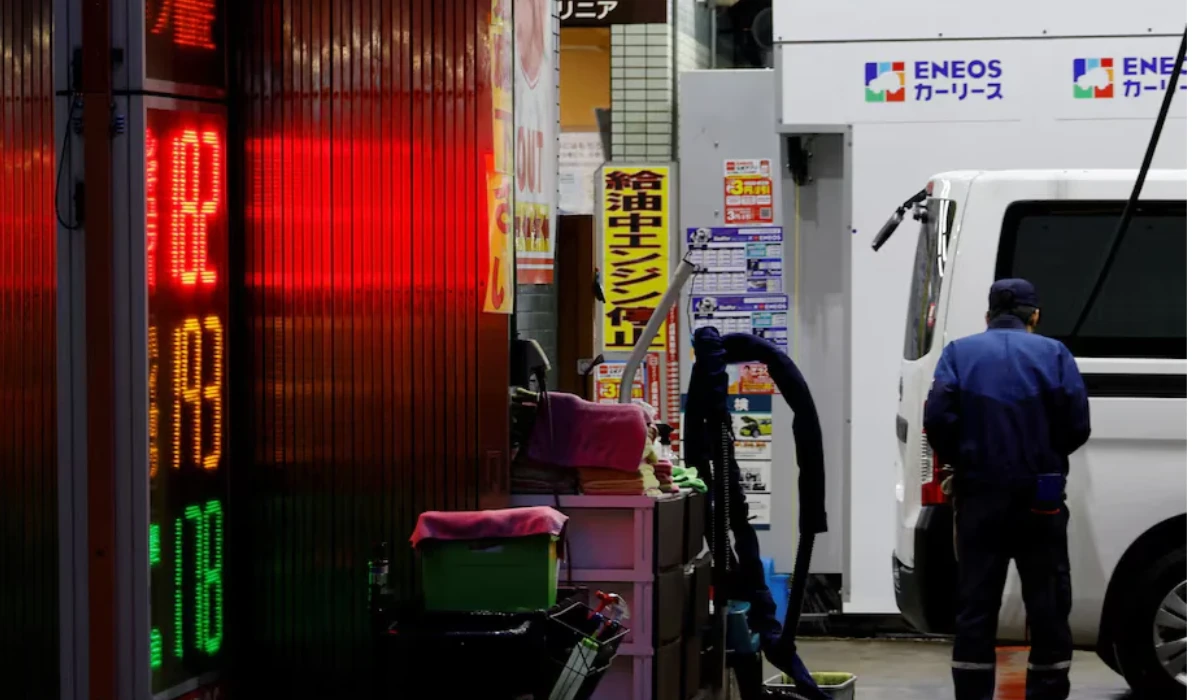
The decision to modify the energy relief package comes as fiscal constraints make the existing intervention unsustainable. Under the current system, the Japanese government provides direct financial subsidies to domestic petroleum refiners to cap average pump prices at roughly ¥170 ($1.08) per litre.
Speaking to reporters at the Prime Minister’s Office in Tokyo, Prime Minister Sanae Takaichi detailed the heavy financial drain the measure imposes on public funds.
As reported by journalists Leika Kihara, Mariko Katsumura, and Kiyoshi Takenaka of Reuters, Prime Minister Sanae Takaichi stated that under the current scheme, gasoline subsidies are costing the government “more than 10 billion yen a day”.
The policy shift follows prior indications that funding for the energy support program was running short, prompting ministers to formulate a phased exit strategy. As reported by Reuters, the policy adjustment will see the reference benchmark price for regular gasoline increase by ¥5 per litre each month starting in December, allowing pump prices to incrementally adjust toward market-driven levels by spring.
Addressing concerns over energy market fluctuations, Takaichi noted that the administration will maintain flexibility. As reported by Reuters, Sanae Takaichi stated that the government will “keep a close eye on moves in crude oil prices” as it revises the monthly target gasoline prices to ensure the economic transition does not trigger severe inflation spikes.
What new winter utility measures are being introduced to cushion Japanese households?
To mitigate the impact of higher transportation fuel costs on living expenses during the winter, the government is shifting a portion of its energy relief funds directly toward household utilities.
As reported by Reuters, Prime Minister Sanae Takaichi explained that the government will deploy subsidies specifically aimed at “curbing utility and gas bills from December through February,” a measure expected to achieve “reducing about 7,000 yen in financial burden for a typical household” over the three-month period.
The dual-track policy proposal aligns with political recommendations submitted by the ruling Liberal Democratic Party (LDP). Earlier in the week, LDP policymakers advocated for a gradual reduction in general fuel relief while prioritizing targeted winter subsidies for home heating, electricity, and kerosene to protect vulnerable households during peak cold months.
LDP Policy Research Council Chairman Takayuki Kobayashi previously noted that while keeping retail fuel lower than European and North American averages was helpful during peak inflation periods, maintaining structural energy subsidies indefinitively risks exacerbating Japan’s national debt.
How will the ¥5 monthly increases impact Japan’s broader economic outlook?
The gradual ¥5 per litre monthly target increase provides a predictable schedule for commercial industries and private motorists, replacing sudden price shocks with steady increments.
Financial analysts note that the scale-back will help lower the national budget deficit, though transport and logistics companies will absorb progressively higher fuel costs entering 2027. Furthermore, because the central bank and economic planners closely track imported energy prices, the gradual reduction of government price controls will allow broader consumer price indexes to more accurately reflect international crude oil benchmarks.
Industry Minister Ryosei Akazawa, who was instructed by Takaichi to review national fuel programs, confirmed that the government will evaluate feedback from regional businesses and opposition parties to ensure the phasing out of subsidies remains balanced against general economic growth.
Background of the particular development
The Japanese government first introduced emergency fuel subsidies for domestic oil refiners in January 2022 to shield consumers and businesses from severe post-pandemic energy price shocks and international supply disruptions triggered by the Russia-Ukraine war. Originally conceived as a temporary, short-term stabilization measure, the subsidy program was repeatedly extended and modified over four years as global crude oil volatility persisted and the Japanese yen weakened against the US dollar.
By late 2026, the cumulative cost of maintaining the ¥170 per litre ceiling exceeded tens of trillions of yen, sparking intense debate within the Ministry of Finance and the ruling Liberal Democratic Party regarding national debt levels and fiscal responsibility. The decision under Prime Minister Sanae Takaichi to systematically scale back fuel support marks a definitive pivot toward winding down emergency post-crisis price controls while redirecting limited public funds toward seasonal household utility relief.
How this development can affect Japanese households, logistics firms, and energy markets
The phased reduction in gasoline subsidies and the simultaneous introduction of winter utility relief will produce noticeable effects across several sectors in Japan:
- For Japanese Households and Drivers: Automobile owners will see a steady, predictable increase at the pump of approximately ¥5 per litre each month from December 2026 through spring 2027. However, families will experience temporary relief on winter heating costs, as direct electricity and gas subsidies reduce residential utility bills by approximately ¥7,000 between December and February.
- For Logistics and Commercial Transport Companies: Freight, trucking, and delivery industries will face rising operational costs as retail diesel and gasoline prices move closer to un-subsidized global market rates. Transport firms may be forced to pass higher freight surcharges onto corporate clients and retail supply chains heading into mid-2027.
- For Government Fiscal Policy and Energy Transition: Scaling back daily subsidy expenditures of over ¥10 billion will significantly reduce pressure on Japan’s supplementary budgets and public debt obligations. Furthermore, allowing domestic retail fuel prices to align more closely with global market rates may accelerate consumer adoption of hybrid, electric, and energy-efficient vehicles across the country.