Key Points
- An upcoming official visit to Japan by General Secretary of the Communist Party of Việt Nam (CPV) Central Committee and President Tô Lâm is expected to generate significant new momentum for the Vietnamese diaspora, fostering enhanced social integration and economic cooperation.
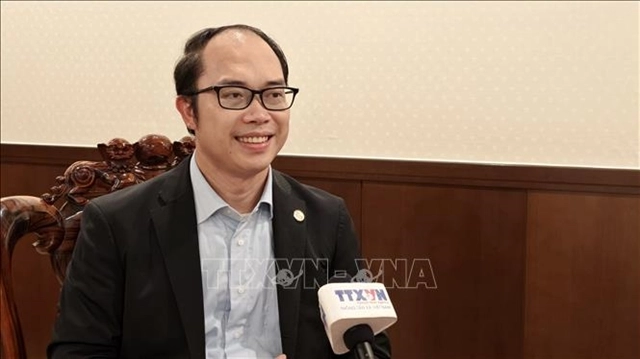
- Dr Nguyễn Hồng Sơn, President of the Union of Vietnamese Associations in Japan, highlighted in an exclusive interview with the Vietnam News Agency (VNA) that high-level state visits demonstrate the Vietnamese homeland’s deep care and commitment to its overseas community.
- The Vietnamese expatriate population in Japan has evolved beyond basic labor and educational exchanges into a mature, highly skilled workforce comprising engineers, technology specialists, university researchers, and entrepreneurs.
- Representative community organizations expect expanded bilateral initiatives focusing on high-quality human resource training, technology transfer, startup ecosystem integration, protection of labor rights, and educational infrastructure for Vietnamese families.
- Everyday societal contributions, cultural diplomacy, and diligent civic participation by Vietnamese nationals are credited with deepening mutual trust and strengthening the Việt Nam-Japan Comprehensive Strategic Partnership.
Japan (Japan Daily News) November 6, 2026 – The upcoming official state visit to Japan by General Secretary of the Communist Party of Việt Nam Central Committee and President Tô Lâm is anticipated to unlock practical economic opportunities and inject fresh momentum into the growing Vietnamese community across Japan. Speaking in an interview with the Vietnam News Agency (VNA) in Tokyo on Friday, 6 November 2026, Dr Nguyễn Hồng Sơn, President of the Union of Vietnamese Associations in Japan, affirmed that state visits by top leaders reaffirm the homeland’s active support for overseas nationals. Dr Sơn noted that the visit will encourage the diaspora—which now exceeds hundreds of thousands of engineers, researchers, students, and skilled workers—to integrate more effectively into local society and elevate their role as a vital bridge of bilateral friendship.
- Why Is Top Leader Tô Lâm’s Official Visit to Japan Significant for Overseas Vietnamese?
- How Has the Demographic and Economic Role of Vietnamese Expatriates in Japan Evolved?
- What Measures Are Needed to Support the Long-Term Settlement of Vietnamese Families in Japan?
- Background of the Particular Development After the News
- How This Development Can Affect Expatriate Workers, Commercial Enterprises, and Educational Institutions
Why Is Top Leader Tô Lâm’s Official Visit to Japan Significant for Overseas Vietnamese?
As reported by official state correspondents at the Vietnam News Agency (VNA), high-level diplomatic visits by Việt Nam’s senior leadership carry immense symbolic and practical value for the diaspora residing abroad.
Evaluating the emotional and civic impact on expatriates, Dr Nguyễn Hồng Sơn, President of the Union of Vietnamese Associations in Japan, emphasized that state delegations reaffirm the state’s enduring relationship with its overseas population. As reported by VNA, Dr Nguyễn Hồng Sơn stated that visits by Việt Nam’s high-ranking leaders carry special significance for Vietnamese people living and working abroad, reflecting the homeland’s close ties with its overseas community.
Dr Sơn explained that such high-level engagements help Vietnamese nationals feel the attention and care of their home country, even when living thousands of kilometres away. Regarding bilateral state relations, he noted that the visit by General Secretary and President Tô Lâm is expected to cultivate actionable cooperation across key sectors including economic development, foreign direct investment, higher education, science and technology, and people-to-people exchanges.
For the local diaspora, these macro-level expectations translate into tangible, daily benefits. Dr Sơn observed that expanded bilateral pacts lead directly to enhanced employment prospects, improved academic conditions for international students, and structured state support for families building long-term domestic lives in Japan.
How Has the Demographic and Economic Role of Vietnamese Expatriates in Japan Evolved?
According to insights provided by the Union of Vietnamese Associations in Japan and reported by VNA, the Vietnamese population in Japan has undergone a structural transformation in maturity, self-confidence, and professional integration.
Drawing on years of community organizing experience, Dr Nguyễn Hồng Sơn stated to VNA that Vietnamese people in Japan have become increasingly mature and confident, demonstrating a stronger desire to contribute to both nations. He expressed confidence that President Tô Lâm’s visit will encourage community members to integrate more effectively and promote their role as an operational bridge connecting Việt Nam and Japan.
Addressing how the community’s contributions are evaluated, Dr Sơn stated that their role should not be measured solely by raw labor statistics or financial remittances, but also by their gradual, deep integration into Japanese civic life.
The structural composition of the community reflects diverse professional categories:
- High-Tech and Academic Professionals: Vietnamese software engineers, artificial intelligence specialists, and university researchers are increasingly employed at major Japanese corporations and academic research centers.
- Industrial and Caregiver Workforce: Skilled workers and technical trainees contribute heavily to manufacturing plants, construction sites, and elderly care facilities across Japanese prefectures.
- Entrepreneurship and Value Creation: An expanding demographic of Vietnamese business leaders and startup founders are incorporating enterprises, generating local employment, and strengthening cross-border trade.
A notable paradigm shift is that many Vietnamese individuals are no longer residing in Japan exclusively to study, work, or earn short-term income. Instead, they are actively demonstrating professional excellence, building long-term careers, and taking leadership roles in municipal community initiatives.
What Measures Are Needed to Support the Long-Term Settlement of Vietnamese Families in Japan?
As detailed in the VNA interview, the Union of Vietnamese Associations highlighted that bilateral cooperation must address the evolving social, legal, and educational requirements of the diaspora.
Dr Nguyễn Hồng Sơn stressed that the foundation of Việt Nam-Japan relations is sustained by everyday social interactions. As reported by VNA, Dr Nguyễn Hồng Sơn stated: “Every Vietnamese person who lives responsibly, works diligently and earns the trust of Japanese people strengthens ties between the two countries.” Through cultural festivals, regional associations, business networking forums, and emergency support initiatives for vulnerable workers, the diaspora has successfully deepened mutual trust between the two societies.
Looking toward future policy developments, Dr Sơn called on leaders in both Hanoi and Tokyo to create structural mechanisms that allow Vietnamese nationals not only to study and work temporarily in Japan, but also to build stable, long-term lives.
The Vietnamese community encompasses technical interns, specified skilled workers, international students, engineers, academic researchers, and business owners. While their immediate needs differ, they share a common desire for fair career advancement opportunities and institutional recognition.
Dr Sơn urged both governments to expand concrete cooperation in:
- Joint high-quality human resource training programs between universities and technical colleges;
- Technology transfer and startup incubator networks linking Vietnamese and Japanese innovators;
- Enhanced legal protections covering workplace conditions, labor rights, and occupational safety;
- Access to bilingual education for Vietnamese children and comprehensive family settlement support services.
Background of the Particular Development After the News
The discussion surrounding the role of the overseas Vietnamese community comes during a period of historical growth in bilateral relations between Việt Nam and Japan. Following the elevation of bilateral ties to a “Comprehensive Strategic Partnership for Peace and Prosperity in Asia and the World,” the Vietnamese community has grown to become the second-largest foreign community in Japan, numbering over 500,000 individuals. Historically composed primarily of language students and technical trainees under the Technical Intern Training Program (TITP), the demographic profile has shifted significantly following Japan’s introduction of the Specified Skilled Worker (SSW) visa categories and expanding corporate demand for foreign engineering talent.
However, the rapid growth of the expatriate community has highlighted systemic administrative and social challenges. Concerns regarding workplace conditions for technical trainees, inflationary pressures, currency fluctuations affecting income transfers, and access to Japanese public education for young children have prompted calls for enhanced institutional support. High-level diplomatic visits by senior Vietnamese leaders provide an essential platform for addressing these labor, legal, and educational frameworks directly with Japanese authorities.
How This Development Can Affect Expatriate Workers, Commercial Enterprises, and Educational Institutions
The expected outcomes of President Tô Lâm’s official state visit and enhanced community support frameworks will produce measurable impacts across expatriate families, corporate employers, and academic institutions in both nations.
Impact on Vietnamese Expatriates and Skilled Workers
For Vietnamese workers and students living in Japan, high-level diplomatic agreements will likely yield improved legal protections, standardized wage structures, and smoother administrative pathways for visa conversions from technical training to long-term residency. Enhanced state focus on family support will improve access to heritage language education for children, helping expatriate families achieve greater socioeconomic stability and social integration across Japanese prefectures.
Impact on Japanese Employers and Commercial Enterprises
For Japanese business owners, regional manufacturers, and healthcare facility operators, a highly integrated, well-supported Vietnamese workforce provides a reliable supply of skilled human capital to offset Japan’s demographic aging. Strengthening institutional training pipelines between Vietnamese technical universities and Japanese corporations will streamline recruitment processes, reduce turnover rates, and foster joint innovation in industrial automation, software development, and caregiving services.
Impact on Higher Education and Bilateral Research Partnerships
For universities, research institutes, and technology incubators in both countries, expanded bilateral commitment will drive academic exchanges, joint research grants, and student mobility programs. Vietnamese academics and researchers working within Japanese universities will play a pivotal role in facilitating technology transfer back to Việt Nam, accelerating the growth of high-tech industries and startup networks in Southeast Asia.