- The United States and Japan have outlined comprehensive plans to expand bilateral cooperation on seabed mineral resource development, focusing on rare-earth deposits, processing capacity, and exploration technology.
- Announced following bilateral working-group meetings held in Toyama, Japan, on November 11 and 12, the initiative is anchored by a joint statement released by the U.S. State Department.
- The discussions specifically addressed Japan’s rare-earth mud project near Minamitorishima Island alongside its polymetallic nodules project, bringing together government officials, industry stakeholders, researchers, and technical experts.
- Core cooperation priorities include securing trusted processing capacity to reduce supply chain vulnerabilities, safeguarding sensitive technologies, and exchanging best practices on deep-sea mapping and environmental monitoring.
- While the announcement pairs resource exploration objectives with robust environmental safeguards and regulatory alignment, it does not grant new regulatory approvals for either of the Japanese projects under review.
Japan (Japan Daily News) November 12, 2026 – The United States and Japan have formalized a strategic roadmap to advance cooperation in seabed mineral resource development, aiming to secure vital raw materials essential for national security and economic resilience. Following interagency working-group discussions in Toyama, Japan, the two governments issued a joint framework addressing rare-earth extraction, deep-sea research, and supply-chain security. By focusing on projects such as Japan’s rare-earth mud deposits near Minamitorishima Island, Washington and Tokyo intend to foster trusted commercial partnerships, protect sensitive proprietary technologies, and establish high standards for environmental monitoring and regulatory harmonization.
- What Are the Core Priorities Outlined in the U.S.–Japan Seabed Mineral Framework?
- How Do the U.S. and Japanese Initiatives Compare Across Key Operational Sectors?
- Background of the Particular Development After the News
- How This Development Can Affect Industrial Manufacturers, Environmental Regulators, and Geopolitical Supply Chains
As reported by diplomatic correspondents and official releases from the U.S. State Department, the bilateral engagement builds upon previous cooperative agreements designed to mitigate vulnerabilities in critical mineral supply chains. As reported by international policy analysts covering the Toyama meetings, the talks convened government delegates, academic researchers, and industrial operators to evaluate the commercial and technical viability of harvesting deep-sea mineral wealth. Highlighting the shared economic objectives of both nations, the joint statement noted that “the two governments recognise the potential for responsible seabed mineral resource development to diversify critical mineral supplies, create new commercial opportunities, and support the two countries’ industrial bases”.
As detailed in official documentation released by the U.S. State Department, the cooperative framework establishes several foundational priorities aimed at structuring future joint activities. A central pillar of the initiative involves securing downstream processing capacity among trusted international partners to insulate industrial supply lines from geopolitical disruptions. Furthermore, the framework emphasizes the strict protection of sensitive technologies and proprietary data, though specific corporate entities or technologies subject to these safeguards were not explicitly identified in the communique.
Regarding scientific and technical collaboration, the two allies intend to facilitate routine exchanges of information concerning deep-sea exploration methodologies, seabed mapping, and resource characterization. According to State Department guidelines, joint efforts will encompass comprehensive environmental impact assessments, mitigation strategies, continuous monitoring systems, and technological innovations. To support these scientific campaigns, Washington and Tokyo are exploring opportunities to coordinate access to research vessels, autonomous underwater vehicles (AUVs), and specialized marine assets.
While the bilateral framework lays extensive groundwork for industrial cooperation, the announcement does not confer new regulatory approvals or operational permits for Japan’s active seabed projects discussed during the Toyama sessions. Instead, the countries intend to promote streamlined, predictable regulatory regimes that encourage private-sector investment while ensuring strong complementarity between domestic laws and international marine governance standards. Finally, the framework leaves open the possibility of expanding the coalition, noting that both governments will actively seek additional international partnerships to advance responsible seabed resource development.
What Are the Core Priorities Outlined in the U.S.–Japan Seabed Mineral Framework?
The joint statement issued by the United States and Japan establishes a structured agenda encompassing commercial, technological, and environmental objectives:
- Trusted Processing Capacity: Establishing resilient processing networks among reliable allies to minimize strategic supply chain dependencies.
- Technology Safeguards: Protecting sensitive engineering data, proprietary tools, and advanced seabed exploration methodologies.
- Scientific and Asset Sharing: Coordinating access to research vessels, autonomous underwater vehicles (AUVs), and mapping technologies for joint exploration campaigns.
- Regulatory Harmonization: Promoting streamlined, predictable domestic and international regulatory regimes to boost private investor confidence.
- Environmental Stewardship: Exchanging best practices on ecological monitoring, impact mitigation, and adaptive management consistent with national legislation.
How Do the U.S. and Japanese Initiatives Compare Across Key Operational Sectors?
Strategic objectives, technological focus areas, and institutional responsibilities agreed upon during the Toyama working group are distributed across several domains:
| Sector / Focus Area | Participating Agencies & Stakeholders | Primary Objectives & Scope |
| Critical Mineral Supply | U.S. State Department & Japanese Ministries | Diversify sourcing of rare-earth elements and polymetallic resources away from monopolised markets. |
| Minamitorishima Project | Japanese research bodies & industry experts | Evaluate deep-sea rare-earth mud deposits in Japan’s exclusive economic zone. |
| Marine Research & Assets | U.S.–Japan interagency delegations & marine operators | Coordinate vessel access, autonomous underwater vehicles, and seabed mapping data. |
| Environmental Oversight | Scientific advisors & regulatory authorities | Formulate baseline environmental assessments, mitigation protocols, and long-term monitoring standards. |
Background of the Particular Development After the News
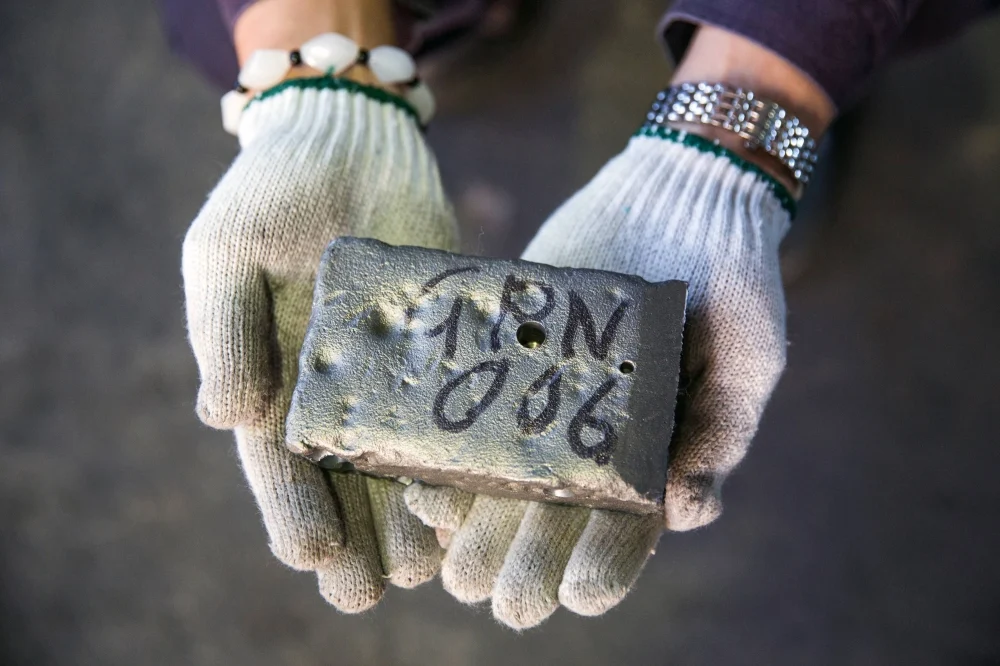
The acceleration of U.S.–Japan seabed mineral cooperation stems from mounting global anxiety over the concentration of critical mineral refining and extraction capacities. Rare-earth elements—vital for manufacturing advanced electronics, electric vehicle powertrains, renewable energy infrastructure, and defence guidance systems—have historically been subject to severe export controls and supply bottlenecks. Japan’s discovery of extensive rare-earth-rich muds near Minamitorishima Island, situated roughly 2,000 kilometres southeast of Tokyo at extreme ocean depths, offered a potential domestic remedy, but extraction and processing remain technologically daunting and capital-intensive.
Concurrently, the United States has sought to fortify its industrial base by partnering with allied technological leaders who possess advanced maritime engineering capabilities. Previous bilateral milestones, including high-level economic security dialogues and interagency memorandums of cooperation signed earlier in the year, laid the groundwork for the formal working-group sessions convened in Toyama. By pooling resources, scientific expertise, and regulatory frameworks, both nations aim to bridge the gap between experimental deep-sea oceanography and viable commercial production.
How This Development Can Affect Industrial Manufacturers, Environmental Regulators, and Geopolitical Supply Chains
The deepening partnership between Washington and Tokyo on seabed mineral resource development is projected to influence several key stakeholder groups across the global economy:
1. Diversification of Raw Material Sourcing for Industrial Manufacturers
For advanced technology and manufacturing sectors in the United States and Japan, successful commercialisation of seabed rare earths and polymetallic nodules could eventually break single-nation supply monopolies, providing stable, long-term access to heavy rare earths and critical metals necessary for high-tech production.
2. Heightened Scrutiny and Rigorous Standards for Environmental Regulators
For marine scientists, environmental agencies, and international bodies, the joint focus on baseline impact assessments and mitigation protocols will necessitate the establishment of stringent, legally sound oversight mechanisms to balance mineral extraction demands with deep-sea ecosystem preservation.
3. Accelerated Technological Investment for Offshore Engineering Firms
For specialized marine engineering enterprises, autonomous vehicle developers, and deep-sea exploration firms, bilateral alignment between Washington and Tokyo signals expanding market opportunities and public-private funding avenues for advanced extraction, sorting, and processing technologies.