
- December Rate Hike Discussion Signalled: Bank of Japan (BOJ) Policy Board member Naoki Tamura stated at a press conference in Kofu, Yamanashi Prefecture, on Thursday, 26 November 2026 that the central bank will discuss an additional interest rate increase at its 17–18 December 2026 policy-setting meeting or later, noting a “good” chance of raising rates even within roughly three months of its previous hike in September 2026.
- Data, Business Feedback and Market Scrutiny: Naoki Tamura emphasised that the BOJ will scrutinise incoming economic data, business feedback, price trends and unstable stock and financial markets ahead of the December meeting before reaching an “appropriate monetary policy decision”.
- Artificial Intelligence Stock Corrections Flagged: The BOJ policymaker warned that stock price corrections—particularly in artificial intelligence-related shares—could weigh on corporate and household decision-making as well as the wider real economy, while noting in earlier remarks in Yamanashi that the 1.25% policy rate remains below neutral and could move faster—potentially by 50 basis points rather than a baseline 25 basis points—if inflation risks materialise.
- Inflation Context and Market Pricing: With Japan’s October 2026 core inflation (excluding fresh food) running at 2.2% year-on-year and underlying inflation around the central bank’s 2% target, market pricing cited in financial reports assigned a 75% to 80% probability to a rate increase to 1.50% in December 2026.
Japan (Japan Daily News) November 26, 2026 – Bank of Japan Policy Board member Naoki Tamura indicated on Thursday, 26 November 2026 in Kofu, Yamanashi Prefecture, that the central bank will discuss a further interest rate hike at its 17–18 December 2026 meeting or later. Reported by Jiji Press (and carried on Nippon.com), Reuters (via CNA), Lallalit Srijandorn of FXStreet and InvestingLive, Naoki Tamura highlighted incoming data, inflation risks and artificial intelligence stock corrections.
- What Did Naoki Tamura Say at the Kofu Press Conference About a December Rate Hike and Stock Markets?
- How Did Naoki Tamura Frame Inflation Risks and the Neutral Rate in His Yamanashi Speech?
- How Do the Key Figures and Policy Indicators in Naoki Tamura’s Remarks Compare?
- Background of the Particular Development After the News
- How This Development Can Affect Markets, Businesses and Japanese Households
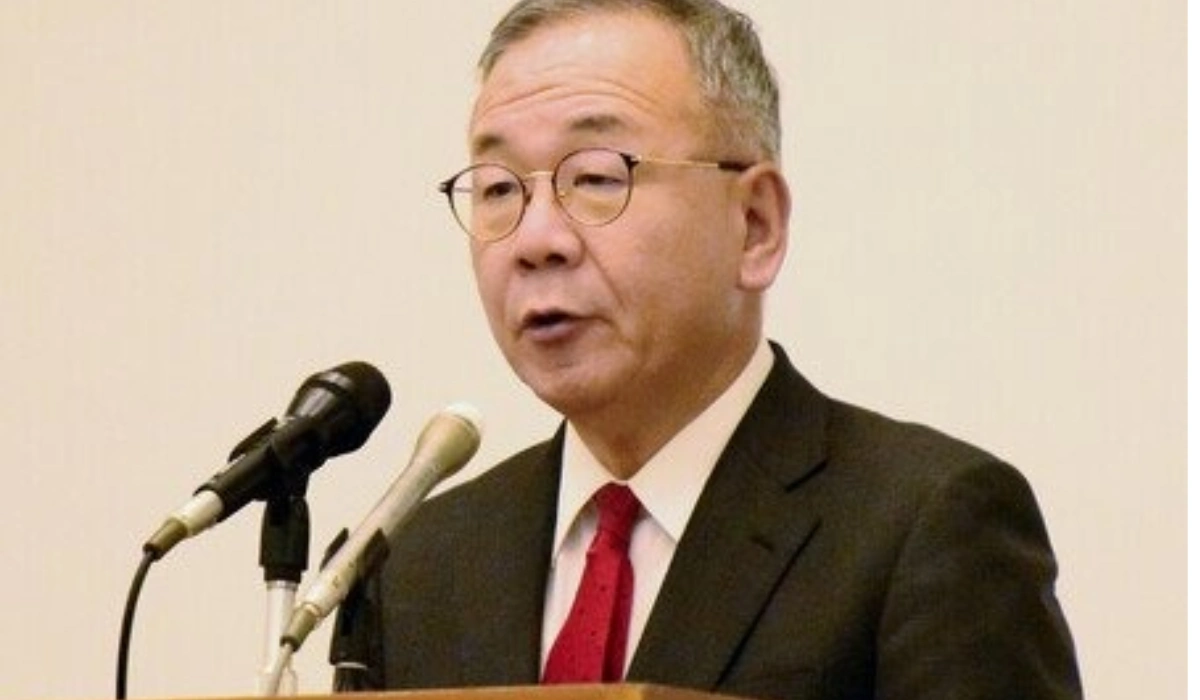
As reported by Jiji Press on 26 November 2026 (and carried on Nippon.com, alongside reporting by Reuters via CNA, Lallalit Srijandorn of FXStreet, InvestingLive and Newsquawk), Bank of Japan policymaker Naoki Tamura suggested on Thursday, 26 November 2026 that the central bank will discuss an additional interest rate hike at a policy-setting meeting in December 2026 or later.
At a press conference in Kofu, Yamanashi Prefecture, west of Tokyo, Naoki Tamura stated that there is a “good” chance that the central bank will raise interest rates even within about three months of its previous rate hike in September 2026, while noting that the BOJ will scrutinise incoming economic data and business feedback ahead of its 17–18 December 2026 policy meeting.
What Did Naoki Tamura Say at the Kofu Press Conference About a December Rate Hike and Stock Markets?
Reporting from Jiji Press on 26 November 2026 (carried on Nippon.com), alongside InvestingLive and Newsquawk, details Naoki Tamura’s press conference remarks in Kofu:
- Prospect of Raising Rates Within Three Months of September: As reported by Jiji Press on 26 November 2026, Naoki Tamura stated at the Kofu press conference that there is a “good” chance the Bank of Japan will raise interest rates even within about three months of its previous hike in September 2026. Naoki Tamura said the BOJ will scrutinise incoming economic data and business feedback ahead of its 17–18 December 2026 policy-setting meeting, adding that the central bank will make an “appropriate monetary policy decision” after assessing economic and price trends, as well as unstable stock and other financial markets.
- Impact of Artificial Intelligence Stock Corrections: According to Jiji Press on 26 November 2026, the BOJ Policy Board member noted that stock price corrections—particularly for artificial intelligence-related issues—could affect corporate and household decision-making, as well as the real economy.
- Statements on Cadence and Potential 50 Basis Point Move: As reported by InvestingLive and Newsquawk on 26 November 2026, Naoki Tamura stated during his press conference: “I do have an image in mind of raising interest rates once every few months. If inflation risks materialise, BOJ may need to speed up pace of rate hikes or even deliver a 50 bps rate hike.” Naoki Tamura further stated that stock and asset price moves are among the factors the central bank examines in measuring financial conditions, and that policymakers will decide policy by looking at incoming data alongside economic and financial developments leading up to the December meeting.
How Did Naoki Tamura Frame Inflation Risks and the Neutral Rate in His Yamanashi Speech?
Coverage by Reuters (via CNA), Lallalit Srijandorn of FXStreet and TMGM (citing Danske Bank research) on 26 November 2026 records Naoki Tamura’s remarks earlier in the day to local business leaders in Yamanashi Prefecture:
- Moving Toward a Neutral Policy Rate: As reported by Reuters (carried on CNA) on 26 November 2026, Naoki Tamura stated in his speech: “Given that financial conditions remain accommodative, I believe the BOJ needs to bring its policy rate to a level deemed neutral to the economy soon”. According to TMGM on 26 November 2026, Naoki Tamura described the current 1.25% policy rate as still some distance below neutral—which he referenced around 2%—and stated that the policy focus had shifted from achieving 2% inflation to preventing an overshoot and maintaining price stability.
- Continuing Hikes While Underlying Inflation Sits Near 2%: As reported by Lallalit Srijandorn of FXStreet and TMGM on 26 November 2026, Naoki Tamura said the central bank must keep raising interest rates regardless of upside and downside price risks, so long as underlying inflation remains around 2% and financial conditions stay accommodative. He identified the Middle East conflict, higher import costs from a weak yen and strong demand for artificial intelligence-related goods as upside inflation risks, noting that Japan’s inflation expectations were less firmly anchored than elsewhere, while stating on AI investment: “Expect global AI demand to remain strong. AI-related CAPEX may slow somewhat but don’t think that will inflict huge damage to Japan’s economy”.
- Board Positioning and Market Pricing: Reuters noted on 26 November 2026 that Naoki Tamura, a former commercial bank executive, alongside former bond strategist Hajime Takata, is viewed by financial markets as among the hawks on the nine-member BOJ Policy Board who favour steady rate increases to forestall excessive inflation. According to TMGM on 26 November 2026 (citing Danske Bank), Japan’s October 2026 core inflation excluding fresh food stood at 2.2% year-on-year, with USD/JPY trading near 159.23 and market pricing assigning a 75% to 80% probability to a rate rise to 1.50% at the December 2026 meeting.
How Do the Key Figures and Policy Indicators in Naoki Tamura’s Remarks Compare?
A structured summary compiles the monetary policy figures, dates and risk factors reported on 26 November 2026:
| Indicator or Policy Factor | Reported Figure / Detail | Source / Attribution |
| Next BOJ Policy Meeting | 17–18 December 2026 (within ~3 months of the September 2026 hike) | Jiji Press (Nippon.com) |
| Policy Rate & Neutral Reference | Current 1.25% policy rate; neutral rate referenced around 2%; market pricing of 75–80% odds of a December hike to 1.50% | Newsquawk; TMGM (citing Danske Bank) |
| Rate Hike Increment Options | Baseline 25 basis points every few months, or accelerated pace / 50 basis points if inflation risks materialise | InvestingLive; Newsquawk |
| Inflation & Market Benchmarks | October 2026 core CPI (excluding fresh food) at 2.2% year-on-year; USD/JPY near 159.23; AI stock price corrections flagged | Jiji Press; Lallalit Srijandorn of FXStreet; TMGM |
Background of the Particular Development After the News
After maintaining negative interest rates and yield curve control for years under its ultra-loose monetary easing programme, the Bank of Japan began normalising policy in March 2024 as wage growth and import prices lifted inflation above its 2% target.
Following successive tightening steps—including a rate increase in September 2026 that brought the short-term policy rate to 1.25%—Policy Board members have debated the timing and speed of further hikes toward a neutral stance amid yen depreciation, global geopolitical tensions and volatility in global technology equities.
How This Development Can Affect Markets, Businesses and Japanese Households
Naoki Tamura’s indication that a December 2026 rate hike is actively under consideration—and that the BOJ could accelerate tightening if upside price risks build—carries practical implications across several groups:
1. Foreign Exchange, Bond and Equity Investors
For yen traders, Japanese government bond (JGB) investors and equity market participants, framing the 17–18 December 2026 meeting as live—alongside explicit mention of a potential 50 basis point step if inflation risks materialise—will sharpen focus on upcoming wage, inflation and stock market data before the decision.
2. Japanese Corporates and Exporters
For Japanese companies managing borrowing costs, capital expenditure and currency exposure near 159 yen per US dollar, potential movement from 1.25% toward a higher neutral rate requires balancing tighter domestic financing against persistent raw-material and import price pressures.
3. Japanese Households and Borrowers
For households facing 2.2% core consumer price inflation alongside fluctuations in equity markets, gradual policy normalisation aims to curb prolonged cost-of-living erosion while influencing variable mortgage rates and deposit yields.