
- Narrow Four-Vote Rejection in the House of Councillors: A non-binding censure motion against Education, Culture, Sports, Science and Technology Minister Yoshihiro Seki was narrowly rejected by four votes in Japan’s House of Councillors on Friday, 27 November 2026, with 124 lawmakers voting against the motion and 120 voting in favour out of 244 ballots cast.
- Outcome Hinged on Independent and Minor-Party Lawmakers: With neither the ruling coalition nor the eight-party opposition bloc commanding a majority in the upper chamber, the result depended on 10 independent and minor-party lawmakers—including Conservative Party of Japan leader Naoki Hyakuta, who voted against the motion despite demanding Yoshihiro Seki’s resignation in order to pursue a reduction in the consumption tax on food, and independent lawmaker Fusaho Izumi, who voted in favour.
- Political Breathing Space for Prime Minister Sanae Takaichi: Following the defeat of the opposition motion, Prime Minister Sanae Takaichi averted an immediate political crisis, stating that there was nothing illegal about the fundraising events hosted by Yoshihiro Seki and telling aides there was no reason to dismiss him ahead of the 12 December 2026 close of the extraordinary Diet session.
- Mixed Reactions From Voters in Hyogo Prefecture: While Yoshihiro Seki initially left the Diet without answering reporters before later pledging to explain the matter sincerely, voters in his Hyogo Prefecture No. 3 constituency expressed divided views over whether he should resign or remain in office with greater restraint.
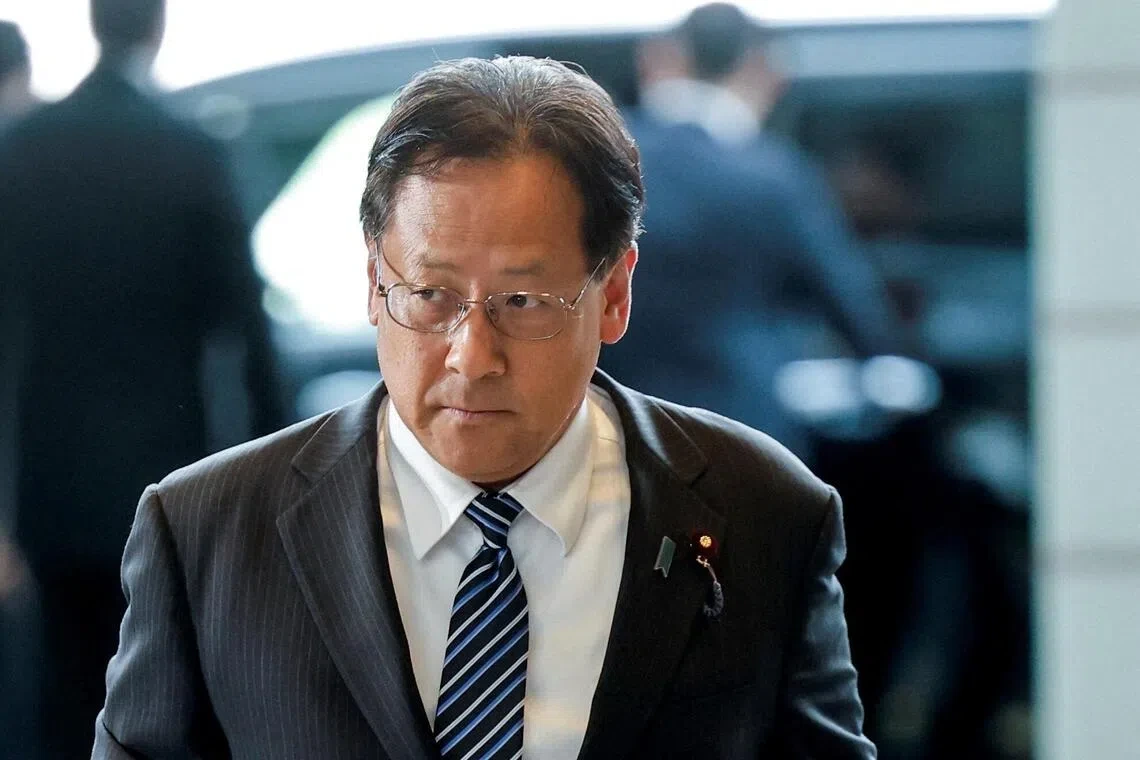
Japan (Japan Daily News) November 27, 2026 – Japan’s House of Councillors narrowly rejected a censure motion against Education, Culture, Sports, Science and Technology Minister Yoshihiro Seki by 124 votes to 120 on Friday, 27 November 2026. Reported across Jiji Press, Kyodo News, Japan Forward and Eric Johnston of The Japan Times, the razor-thin four-vote margin hinged on 10 non-aligned upper-house lawmakers, allowing Prime Minister Sanae Takaichi to retain Yoshihiro Seki in cabinet despite ongoing scrutiny over government officials attending his paid political fundraising events.
- How Did Upper House Lawmakers Vote and What Did Michihiro Ishibashi, Naoki Hyakuta and Fusaho Izumi Say?
- How Did Prime Minister Sanae Takaichi, Yoshihiro Seki and Hyogo Voters React to the Result?
- How Do the Key Figures and Statements on the Censure Vote Compare?
- Background of the Particular Development After the News
- How This Development Can Affect Prime Minister Sanae Takaichi’s Government, Opposition Strategy and Diet Legislation
A censure motion against Education, Culture, Sports, Science and Technology Minister Yoshihiro Seki was narrowly rejected by four votes in the House of Councillors on Friday, 27 November 2026, dealing a setback to opposition parties and allowing Prime Minister Sanae Takaichi to avert an immediate political crisis.
Jointly submitted by eight opposition parties and parliamentary groups—including the Constitutional Democratic Party of Japan and the Democratic Party for the People—over allegations surrounding government bureaucrats giving presentations at Yoshihiro Seki’s political fundraising events and contradictions in his parliamentary testimony, the motion fell short after 124 members opposed it and 120 supported it out of 244 votes cast.
How Did Upper House Lawmakers Vote and What Did Michihiro Ishibashi, Naoki Hyakuta and Fusaho Izumi Say?
With neither the ruling coalition nor the opposition bloc holding a majority in the House of Councillors, the fate of the censure motion rested on the decisions of 10 independent and minor-party lawmakers. Reporting by Jiji Press, Japan Forward and Eric Johnston of The Japan Times on 27 November 2026 records the debate and the pivotal explanations from upper-house members:
- Opposition Criticism From Michihiro Ishibashi: Speaking ahead of the plenary vote, Michihiro Ishibashi, a lawmaker from the Constitutional Democratic Party of Japan, criticised Yoshihiro Seki’s parliamentary explanations and appealed directly to governing-party members, stating: “There must be quite a few members of the ruling parties who feel that this is unacceptable. Is the House of Councillors going to let a minister who gave false testimony and submitted false documents go unchallenged?” The opposition’s written motion similarly stated, as reported by Japan Forward on 27 November 2026: “Contradicting his own Diet testimony outside parliament shows a serious disregard for the Diet”.
- Naoki Hyakuta’s Decisive Vote Against the Motion: Naoki Hyakuta, leader of the Conservative Party of Japan, whose decision had attracted considerable attention in Nagatacho, voted against the censure motion even while publicly calling for Yoshihiro Seki to step down. Explaining his vote, Naoki Hyakuta said: “I really think Education Minister Seki should resign immediately. I voted against the motion despite being extremely angry. We want to achieve a reduction in the consumption tax on food at all costs. For that reason, I felt I had no choice.”
- Fusaho Izumi’s Vote in Favour of Censure: Independent upper-house lawmaker Fusaho Izumi voted in favour of the censure motion after reaching his decision on the morning of Friday, 27 November 2026. Explaining his stance, Fusaho Izumi stated: “Ultimately, I based my decision not on political maneuvering in Nagatacho, but on how the situation appears to the public. As politicians, we must earn the trust of the people.”
How Did Prime Minister Sanae Takaichi, Yoshihiro Seki and Hyogo Voters React to the Result?
Coverage by Jiji Press on 27 November 2026 and local constituency interviews detail the immediate aftermath inside the Diet, at the Prime Minister’s Office and in Hyogo Prefecture:
- Prime Minister Sanae Takaichi’s Backing for Yoshihiro Seki: Having weathered the immediate parliamentary crisis, Prime Minister Sanae Takaichi reportedly told aides close to her that there was no reason to dismiss Yoshihiro Seki. Speaking later to reporters at the Prime Minister’s Office on Friday, 27 November 2026, Sanae Takaichi stated, as reported by Jiji Press: “There’s nothing illegal” about the fundraising parties hosted by Yoshihiro Seki, adding: “He should fulfill his accountability over the matter”. Referring to the ongoing extraordinary Diet session scheduled to conclude on 12 December 2026, Sanae Takaichi added: “We will work seriously to secure the passage of bills submitted to the current session”.
- Yoshihiro Seki’s Departure From the Chamber and Subsequent Statement: Immediately after the ballot count, Yoshihiro Seki left the Diet chamber without responding to requests for comment from waiting reporters. Later on Friday, 27 November 2026, as reported by Jiji Press, Yoshihiro Seki told the press: “I will continue to explain the issue sincerely and do my utmost in carrying out my duties”.
- Mixed Reactions From Voters in Hyogo Prefecture’s No. 3 District: In Yoshihiro Seki’s home constituency in Hyogo Prefecture (the No. 3 electoral district), residents expressed divided reactions to the four-vote survival:
- “Things are unclear. It would be better to settle the matter if possible,” one voter said.
- “I know him locally, but shouldn’t he resign?” a second voter asked.
- “He won the vote, so he should be able to continue. But he needs to exercise some restraint. Things cannot go on as they are,” a third voter said.
How Do the Key Figures and Statements on the Censure Vote Compare?
A structured summary compiles the vote breakdown, key parliamentary remarks and political responses reported across the sources:
| Category or Actor | Reported Detail / Statement | Source / Attribution |
| Upper House Vote Tally | 244 total votes cast: 124 opposed, 120 in favour (rejected by 4 votes); outcome hinged on 10 independent and minor-party lawmakers | Jiji Press; Japan Forward |
| Michihiro Ishibashi (CDPJ) | Questioned ahead of the vote whether the House of Councillors would allow “a minister who gave false testimony and submitted false documents go unchallenged” | Michihiro Ishibashi / Jiji Press |
| Naoki Hyakuta (Conservative Party of Japan) | Voted against the motion despite stating “I really think Education Minister Seki should resign immediately”, citing priority to achieve a reduction in the consumption tax on food | Naoki Hyakuta / Jiji Press |
| Fusaho Izumi (Independent) | Voted in favour after deciding on the morning of 27 November 2026 based “not on political maneuvering in Nagatacho, but on how the situation appears to the public” | Fusaho Izumi / Jiji Press |
| Prime Minister Sanae Takaichi & Yoshihiro Seki | Takaichi told aides there was no reason to dismiss Seki and told reporters “There’s nothing illegal” while urging accountability; Seki pledged to “continue to explain the issue sincerely” | Jiji Press |
Background of the Particular Development After the News
In Japan’s bicameral Diet, a censure motion passed by the House of Councillors—unlike a no-confidence motion in the lower House of Representatives—is legally non-binding, though approval traditionally generates intense political pressure on a cabinet minister to resign or be replaced.
The controversy surrounding Yoshihiro Seki stemmed from opposition scrutiny during the autumn 2026 extraordinary Diet session over government bureaucrats delivering presentations to business attendees at paid political fundraising events he hosted, compounded by criticism from eight opposition parties that his public explanations outside parliament contradicted his formal Diet testimony.
How This Development Can Affect Prime Minister Sanae Takaichi’s Government, Opposition Strategy and Diet Legislation
The four-vote survival of Education Minister Yoshihiro Seki on 27 November 2026 carries immediate political and legislative implications ahead of the extraordinary Diet session’s scheduled close on 12 December 2026:
1. Prime Minister Sanae Takaichi and the Ruling Coalition
For Prime Minister Sanae Takaichi, retaining Yoshihiro Seki avoids a cabinet reshuffle in the final weeks of the parliamentary session, while underscoring the minority government’s reliance on case-by-case cooperation from minor parties such as Naoki Hyakuta’s Conservative Party of Japan on key votes and tax policy.
2. Opposition Parties in the House of Councillors
For the Constitutional Democratic Party of Japan, the Democratic Party for the People and allied opposition groups, failing to pass a censure motion despite holding numerical parity against a minority upper-house coalition forces a recalibration of parliamentary tactics as they continue questioning Yoshihiro Seki in committee debates.
3. Pending Bills and Consumption Tax Negotiations
For legislative business before the 12 December 2026 session deadline, the defeat of the censure motion clears the way for plenary and committee deliberations on government bills, while elevating negotiations over food consumption-tax relief sought by Conservative Party of Japan leader Naoki Hyakuta.