Key Points
- High-Profile Resignation: Two-time World Cup head coach Takeshi Okada has resigned as Vice President of the Japan Football Association (JFA) in protest against FIFA political maneuvering during Gianni Infantino’s re-election campaign.
- Protest Against U-Turn: Okada’s resignation came 24 hours after the Asian Football Confederation (AFC) executed a sudden U-turn to publicly back Infantino for a fourth presidential term ahead of the March 18 election in Rabat, Morocco.
- Ethics and Integrity Cited: The 70-year-old former national coach stated that actions surrounding FIFA represent a “significant divergence” from his personal conviction that sport must embody absolute integrity.
- Geopolitical Backlash: Infantino has faced intense international criticism over a failed attempt to sell a permanent stake in World Cup commercial profits to private investors led by Joshua Kushner, alongside broader management and political ties.
- Opposition Challenger Pending: European governing body UEFA has committed to identifying a rival presidential candidate by FIFA’s November 18 deadline to challenge Infantino’s campaign.
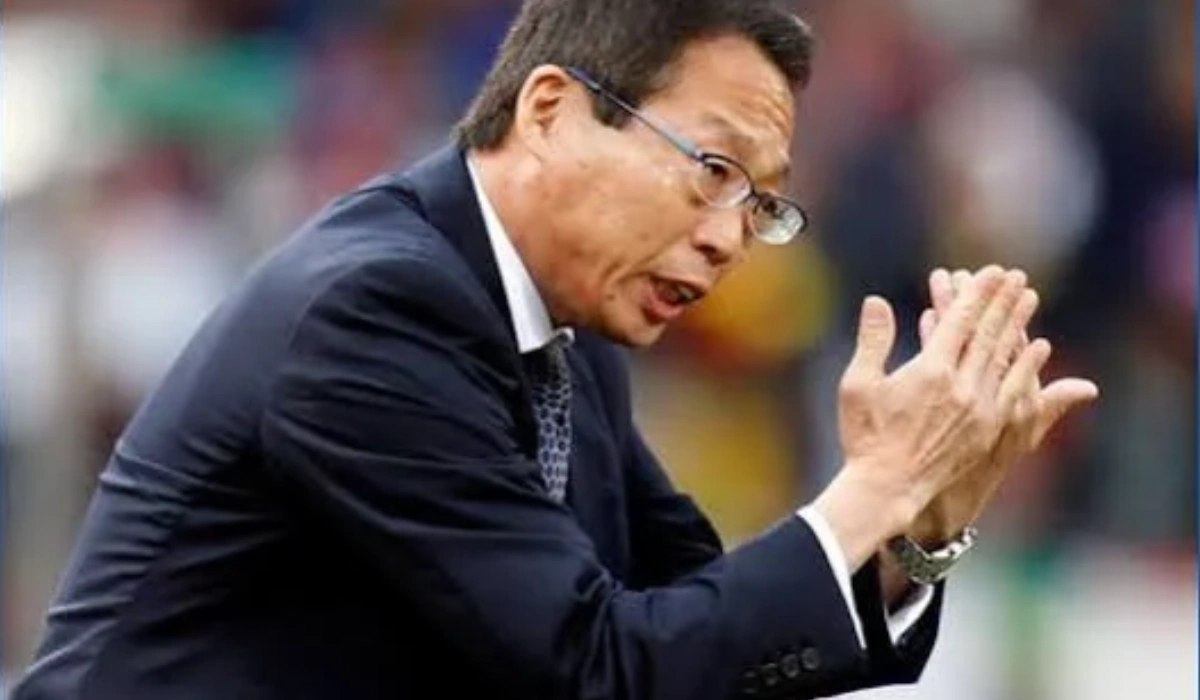
Japan (Japan Daily News) October 28, 2026 – Two-time Japanese World Cup coach Takeshi Okada has resigned as Vice President of the Japan Football Association in protest against global political maneuvering surrounding FIFA President Gianni Infantino’s campaign for re-election. The Japan Football Association published Okada’s official resignation statement on Wednesday—dated last Saturday—just 24 hours after the Asian Football Confederation performed a political U-turn by publicly endorsing Infantino for a fourth and final presidential term. Citing a fundamental breach of sports integrity, Okada stepped down amidst mounting international friction over Infantino’s leadership, including a controversial attempt to sell off permanent World Cup profit rights to private investors and his political ties to U.S. President Donald Trump.
- Key Points
- Why Did Takeshi Okada Resign From the Japan Football Association?
- What Caused the Asian Football Confederation’s Sudden U-Turn on Gianni Infantino?
- What Controversies and Opposition Is Gianni Infantino Facing Ahead of the Election?
- Background of FIFA Governance, Commercial Controversies, and Asian Football Politics
- How This Resignation Will Affect FIFA Election Dynamics and Asian Football Governance
Why Did Takeshi Okada Resign From the Japan Football Association?
As reported by Graham Dunbar of The Associated Press, 70-year-old Takeshi Okada—who famously managed the Japanese national team at the 1998 and 2010 FIFA World Cups—submitted his formal resignation letter to the Japan Football Association on Saturday, 24 October 2026. The Japanese governing body released the document publicly on Wednesday.
In his official statement, Okada made clear that his decision was driven by moral objections to political backroom dealings governing international football.
As reported by Graham Dunbar of The Associated Press, Takeshi Okada stated in his resignation statement that:
“I believe that sports should embody integrity. However, the series of actions surrounding this year’s FIFA World Cup represent a significant divergence from my personal convictions. As a sportsman, I cannot accept this.”
Okada acknowledged the complex geopolitical reality facing Japan within Asian and world football, stating he understood “there are practical reasons for aligning with the AFC’s stance,” yet maintained he could not compromise his personal principles to remain in office.
What Caused the Asian Football Confederation’s Sudden U-Turn on Gianni Infantino?
The timing of Okada’s resignation directly coincides with a dramatic shift in continental politics orchestrated by Asian Football Confederation (AFC) President Sheikh Salman bin Ibrahim Al Khalifa.
As reported by The Associated Press, Sheikh Salman—a member of the Bahraini royal family—had joined fellow FIFA Vice Presidents Aleksander Čeferin of UEFA and Victor Montagliani of CONCACAF in August to publicly denounce Infantino. At the time, the continental leaders accused Infantino of “deception” and a “fundamental breach of trust” after the FIFA chief attempted to sell a permanent financial stake in World Cup profits to private investors led by American businessman Joshua Kushner, younger brother of Jared Kushner.
However, political dynamics shifted rapidly due to influence from Gulf states:
- Middle Eastern Support: Infantino maintained continuous backing from 2022 World Cup host Qatar and successfully restored relations with 2034 World Cup host Saudi Arabia.
- Sudden Endorsement: Operating as dominant power brokers in Asian football, the Gulf nations influenced the AFC to reverse its opposition, culminating in Sheikh Salman’s surprise announcement endorsing Infantino for re-election.
- Japan’s Strategic Position: Japan Football Association President Tsuneyasu Miyamoto previously noted Japan’s ambition to host the men’s World Cup before 2050 during an October 2023 AFC meeting that endorsed Saudi Arabia’s 2034 bid, demonstrating the diplomatic pressures binding Asian member associations to regional consensus.
The AFC commands 46 of the 211 voting member federations that will cast ballots at the FIFA Presidential Election scheduled for 18 March 2027 in Rabat, Morocco.
What Controversies and Opposition Is Gianni Infantino Facing Ahead of the Election?
Gianni Infantino’s pursuit of a fourth presidential term has provoked substantial pushback across international football administrative bodies since July 2026.
Beyond the backlash surrounding the private investor World Cup profit sell-off scheme involving Joshua Kushner, critics in Europe and North America have voiced alarm over Infantino’s centralized management style and high-profile political alignments, including his close ties with U.S. President Donald Trump.
Despite the controversy, Infantino retains considerable leverage over FIFA’s 211 member federations. As owners of the Switzerland-based non-profit organization, each member association has been promised $25 million USD in development grant allocations over the upcoming four-year cycle under Infantino’s financial distribution plans.
Nevertheless, formal opposition is mounting within European football. European governing body UEFA has officially committed to identifying and putting forward a rival candidate against Infantino prior to FIFA’s strict nomination deadline of 18 November 2026.
Background of FIFA Governance, Commercial Controversies, and Asian Football Politics
The political rift shaking world football stems from long-standing structural tensions between FIFA’s central leadership in Zurich and powerful regional confederations. Elected in 2016 following the corruption scandals that ended Sepp Blatter’s presidency, Gianni Infantino has consistently sought new global commercial models to expand FIFA’s revenue, including expanded club tournaments and private capital ventures.
However, his recent attempt to monetize future World Cup broadcasting and commercial rights via private equity investment triggered an unprecedented rift with UEFA and CONCACAF leadership, who viewed the move as an overreach eroding national association governance.
In Asia, football governance is heavily influenced by the diplomatic and financial weight of Gulf nations. When the AFC executive committee reversed its critical stance to back Infantino, individual member associations like the Japan Football Association were placed under intense institutional pressure to maintain continental unity, directly provoking Takeshi Okada’s ethical stand.
How This Resignation Will Affect FIFA Election Dynamics and Asian Football Governance
Takeshi Okada’s high-profile resignation will generate significant political reverberations across international sports governance ahead of the November nomination deadline and March election.
1. Galvanizing European Opposition and Candidate Selection
Okada’s explicit stance against FIFA political maneuvering provides strong moral backing for UEFA and dissenting continental federations. His resignation highlights internal discontent within Asia, encouraging UEFA leadership to finalize a high-profile challenge candidate before the 18 November deadline to offer member associations an alternative to Infantino.
2. Heightened Internal Scrutiny Within the Japan Football Association
The departure of a respected national icon like Okada forces the Japan Football Association to navigate severe public and media scrutiny at home. Japanese football supporters and civic commentators will demand transparency regarding why the JFA aligned with the AFC’s endorsement, potentially complicating President Tsuneyasu Miyamoto’s diplomatic strategy for future World Cup hosting bids.
3. Debate Over Financial Distribution vs. Governance Integrity
The conflict underscores a widening ideological divide in global football administration. While Infantino’s promised $25 million USD development packages retain strong support among smaller voting federations, high-profile resignations like Okada’s ensure that issues of corporate governance, private equity involvement, and executive transparency will remain central battlegrounds leading into the Rabat election.