- Opening Schedule Postponed: Central Japan Railway Co. (JR Tokai) has announced it will be unable to release a new opening schedule by the end of 2026 for its planned Chuo Shinkansen high-speed magnetic levitation train line.
- Primary Reasons Cited: Company President Shunsuke Niwa attributed the postponement to ongoing construction work delays and thorough cost examinations.
- Ministry Notification: JR Tokai formally notified Japan’s transport ministry of the likely schedule delay, emphasizing intentions to release a revised timeline as soon as comprehensive reviews are finalised.
- Abandonment of 2027 Target: The operator previously abandoned its original target to launch the maglev train service in 2027 due to prolonged delays in commencing construction along the section passing through Shizuoka Prefecture.
- Recent Political Breakthrough: In July 2026, Shizuoka Governor Yasutomo Suzuki approved construction of the local section, resolving a nearly nine-year environmental and political impasse and prompting initial expectations for a year-end schedule announcement.
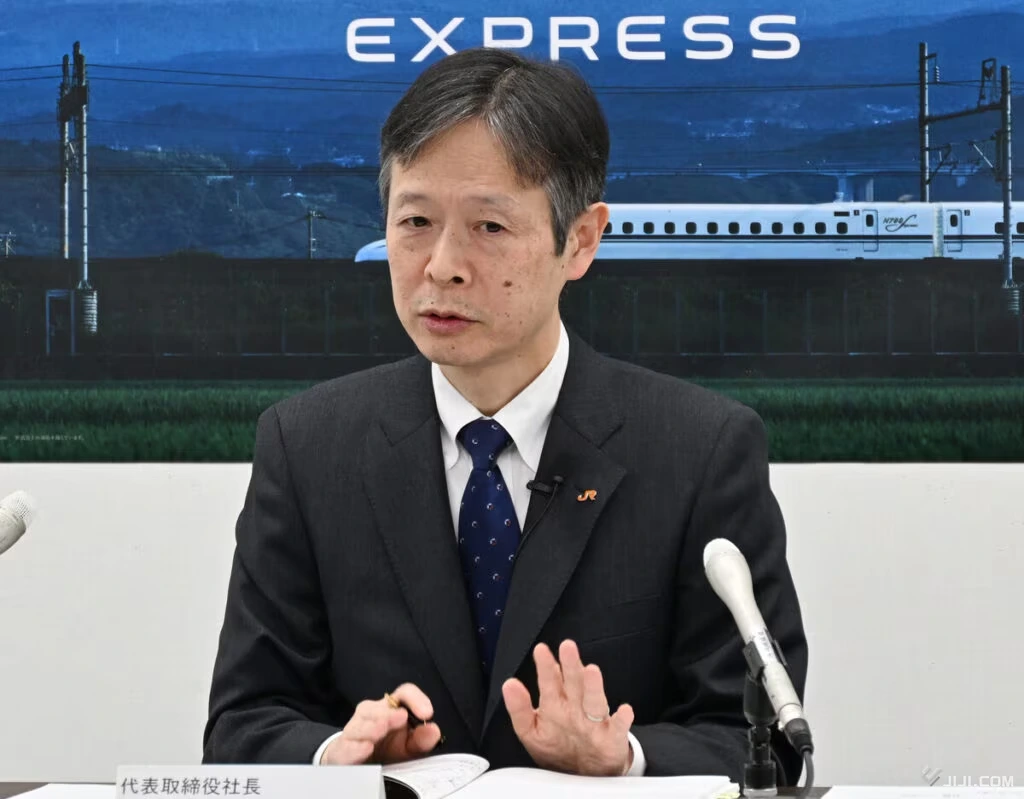
Nagoya (Japan Daily News) November 18, 2026 – Central Japan Railway Co., operating as JR Tokai, will not release an opening schedule by the end of 2026 for its multibillion-yen Chuo Shinkansen high-speed magnetic levitation line, company president Shunsuke Niwa confirmed on Wednesday. Speaking at a press conference in Nagoya, Shunsuke Niwa stated that it has become difficult to announce the target opening timeframe within the year due to complex construction delays and detailed cost examinations. The announcement follows formal notifications submitted to the transport ministry, marking another setback for Japan’s flagship bullet train infrastructure project following years of regional disputes. Although Shizuoka Prefecture granted long-awaited construction approval in July 2026 under Governor Yasutomo Suzuki, railway executives indicated that comprehensive reviews of engineering timelines and rising expenditures necessitate a cautious approach before committing to a firm operational date.
- What Factors Contributed to the Decision to Delay the Schedule Announcement?
- How Did the Resolution of the Shizuoka Impasse Shape Current Projections?
- How Do the Chronological Milestones of the Chuo Shinkansen Project Compare?
- Background of the Particular Development After the News
- How This Development Can Affect Railway Investors, Regional Municipalities, and Commuters
As reported by business and transport correspondents covering the official corporate briefing, Central Japan Railway Co. (JR Tokai) president Shunsuke Niwa announced Wednesday that the railway operator will not be able to release an opening schedule by the end of this year for its planned Chuo Shinkansen high-speed magnetic levitation train line.
Addressing reporters at a press conference in Nagoya, Shunsuke Niwa stated: “It has become difficult for us to announce (the opening schedule) within this year.” He cited compounding delays in engineering work and comprehensive cost examinations as primary drivers behind the adjustment.
Shunsuke Niwa confirmed that the corporation formally notified Japan’s transport ministry of the anticipated delay on Tuesday. Elaborating on the company’s next steps, he noted: “We’d like to release the schedule as soon as possible after reviewing it.”
JR Tokai had previously abandoned its original target of launching the groundbreaking maglev train service in 2027 primarily due to prolonged delays in securing permission to start construction on the critical section passing through Shizuoka Prefecture. However, a significant political breakthrough occurred in July 2026 when Shizuoka Governor Yasutomo Suzuki approved the construction of the local section, effectively bringing an end to a nearly nine-year environmental and administrative impasse over the mega-project. Following that agreement, JR Tokai initially indicated an intention to formulate and announce a new opening schedule before the close of 2026.
What Factors Contributed to the Decision to Delay the Schedule Announcement?
According to statements delivered by Shunsuke Niwa and corporate disclosures reviewed by industry analysts, multiple operational and financial variables prompted the decision to withhold a revised launch timeline:
- Comprehensive Cost Examinations: With project expenditure estimates climbing significantly amid broader inflationary pressures and material costs, railway planners determined that a premature target date would lack financial integrity.
- Engineering and Construction Timelines: Re-evaluating tunnelling methods and logistical milestones in challenging mountainous terrain requires more extensive technical audits than previously anticipated.
- Contractor Disruptions: Industry observers note that logistical adjustments have also been influenced by wider commercial factors affecting participating construction contractors along the designated route.
How Did the Resolution of the Shizuoka Impasse Shape Current Projections?
The long-standing dispute between JR Tokai and the Shizuoka Prefectural Government had paralyzed development on the vital subterranean section connecting Tokyo and Nagoya. For nearly a decade, environmental protection concerns regarding local water resources—championed by former prefectural leadership—blocked headway.
When Shizuoka Governor Yasutomo Suzuki formally approved the construction pact in July 2026, transit analysts anticipated a clear pathway toward establishing a credible opening target. While the July agreement successfully ended the political stalemate and permitted preliminary local ground preparation, railway executives maintain that the accumulated years of delay cannot be swiftly reconciled without rigorous technical and financial recalculations.
How Do the Chronological Milestones of the Chuo Shinkansen Project Compare?
A structured overview illustrates the historical progression, political developments, and schedule revisions associated with the Chuo Shinkansen maglev project:
| Milestone / Event Phase | Date / Timeframe | Key Operational Context & Significance |
| Initial Target Opening | Originally 2027 | Original projected launch date for the Shinagawa-to-Nagoya leg before encountering regional roadblocks. |
| Shizuoka Impasse Peak | 2017 – June 2026 | Nearly nine-year standoff over environmental impact and tunnel drilling along the Shizuoka Prefecture section. |
| Target Abandonment | March 2024 | JR Tokai officially conceded that the 2027 opening target was no longer attainable. |
| Political Breakthrough | July 2026 | Shizuoka Governor Yasutomo Suzuki approved local construction, ending the prolonged blockade. |
| Schedule Postponement | November 18, 2026 | President Shunsuke Niwa announced that the year-end schedule release has been abandoned due to ongoing cost and construction reviews. |
Background of the Particular Development After the News
The Chuo Shinkansen project represents one of Japan’s most ambitious post-war engineering endeavours, designed to deploy superconducting magnetic levitation (maglev) technology to connect Tokyo (Shinagawa Station) and Nagoya in a staggering 40 minutes—halving the travel time of existing Tokaido Shinkansen bullet trains. Funded entirely through private corporate financing backed by government fiscal investment loans, the initiative requires drilling extensive deep-mountain tunnels through the Japanese Alps.
However, the project has faced severe friction points, most notably in Shizuoka Prefecture, where regional leaders expressed deep anxiety over potential disruptions to the flow of the Oi River, a vital local water source for agriculture and municipal supply. Although a cooperative environmental protection pact was successfully forged in July 2026 under Governor Yasutomo Suzuki, the cumulative technical delays, coupled with soaring construction inflation and contractor compliance matters, have pushed realistic operational windows well into the next decade.
How This Development Can Affect Railway Investors, Regional Municipalities, and Commuters
The decision by JR Tokai to postpone the release of the Chuo Shinkansen opening schedule is projected to influence key stakeholders across Japan’s transportation and economic sectors:
1. Financial Reassessment for Institutional Investors and Corporate Planners
For financial markets and shareholders tracking JR Tokai, the absence of a confirmed opening timeline underscores prolonged capital expenditure commitments, requiring management to maintain strict fiscal discipline while absorbing escalating construction costs.
2. Strategic Urban and Economic Planning for Regional Municipalities
For local governments and commercial hubs in Nagoya, Tokyo, and intermediate prefectures, the further delay in high-speed integration means regional economic revitalization strategies tied directly to reduced transit times must be recalibrated for a multi-year horizon.
3. Heightened Anticipation and Managing Expectations for Commuters
For prospective passengers and commercial travellers eagerly awaiting ultra-fast intercity transit, the lack of a definitive launch date prolongs reliance on the existing Tokaido Shinkansen network, emphasizing the critical need for continued maintenance and incremental capacity upgrades on current trunk lines.) November 18, 2026 – Executive Summary: Central Japan Railway Co., operating as JR Tokai, will not release an opening schedule by the end of 2026 for its multibillion-yen Chuo Shinkansen high-speed magnetic levitation line, company president Shunsuke Niwa confirmed on Wednesday. Speaking at a press conference in Nagoya, Shunsuke Niwa stated that it has become difficult to announce the target opening timeframe within the year due to complex construction delays and detailed cost examinations. The announcement follows formal notifications submitted to the transport ministry, marking another setback for Japan’s flagship bullet train infrastructure project following years of regional disputes. Although Shizuoka Prefecture granted long-awaited construction approval in July 2026 under Governor Yasutomo Suzuki, railway executives indicated that comprehensive reviews of engineering timelines and rising expenditures necessitate a cautious approach before committing to a firm operational date.