
- Draft Ordinance Submitted on 27 November 2026: The municipal government of Kobe in western Japan submitted a draft ordinance to the city assembly on Friday, 27 November 2026 to introduce a tax on vacant condominium units in central districts, aiming to curb investment-driven vacancies and put more flats into residential use.
- First Levy of Its Kind in Japan Planned for Fiscal 2030: If adopted by the city assembly, the measure would mark Japan’s first tax targeting vacant condominium flats specifically, with Kobe aiming to implement the levy in the 2030 financial year.
- Scope, Calculation Formula and Exemptions: Applying to owners of flats without a registered resident in central areas including Sannomiya and Motomachi, the annual bill would combine a charge based on floor area and location with 0.7 per cent of the flat’s assessed value, while granting reductions or exemptions for temporary gaps in registration caused by a move, inheritance or other reasons, as well as for flats first offered for rent less than a year earlier.
- Unrestricted Revenue as a Non-Statutory Ordinary Tax: Collected as a non-statutory ordinary tax (hoteigai futsuzei), the proceeds would not be earmarked for a single purpose, allowing Kobe city officials to decide how to allocate the revenue.
Japan (Japan Daily News) November 27, 2026 – Kobe’s municipal government submitted a draft ordinance to its city assembly on Friday, 27 November 2026 to introduce Japan’s first tax specifically targeting empty condominium units. Reported across Jiji Press, The Japan Times and The Nation Thailand, the proposed levy—scheduled for the 2030 financial year in central districts including Sannomiya and Motomachi—charges 0.7 per cent of assessed value plus a floor-area and location component to curb speculative vacancies.
- Why Is Kobe Proposing a Tax on Empty Condominium Units?
- How Will the Proposed Kobe Condominium Vacancy Tax Be Calculated and Who Qualifies for Exemptions?
- How Do the Key Features of Kobe’s Proposed Condominium Tax Compare?
- Background of the Particular Development After the News
- How This Development Can Affect Condominium Investors, Central Residents and Japanese Municipalities
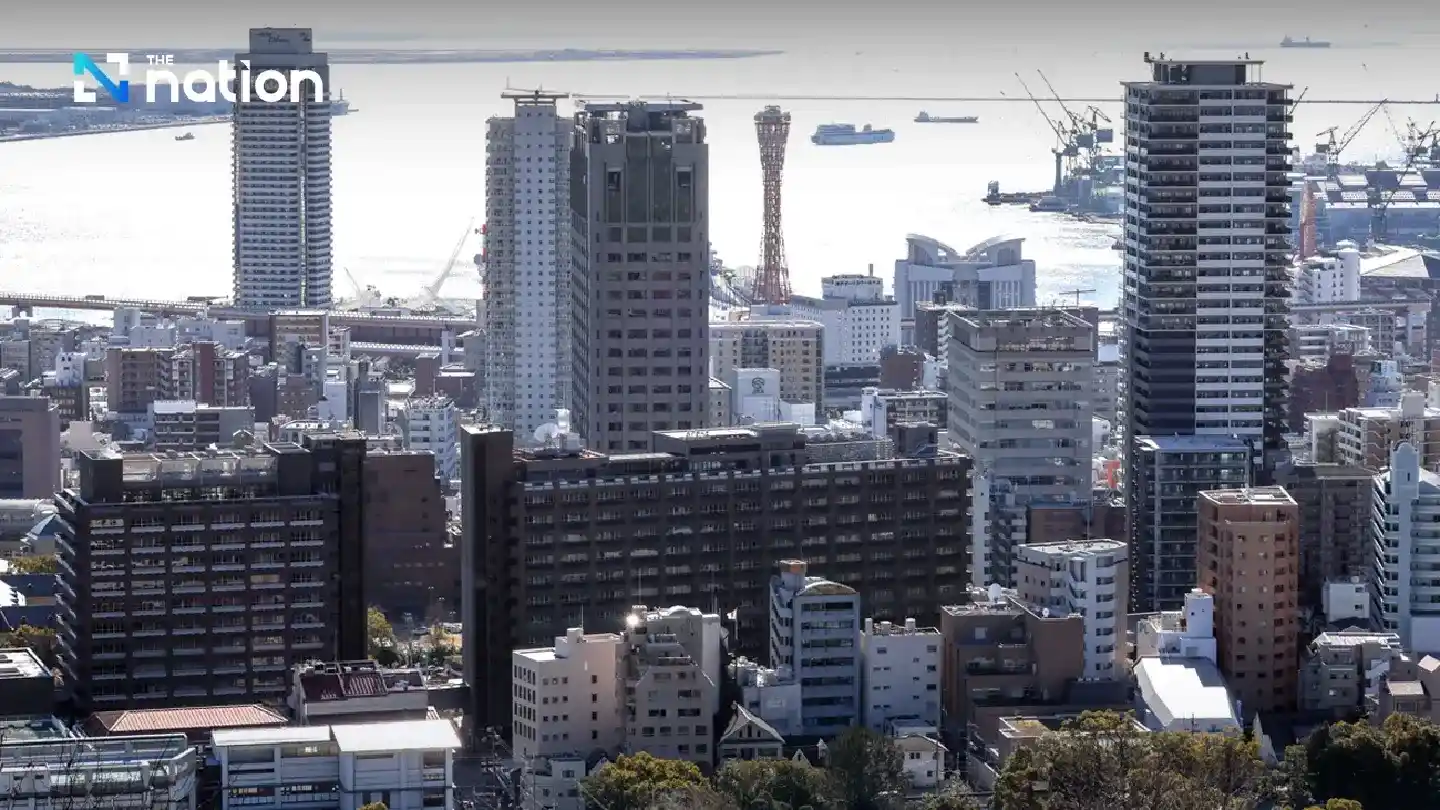
Demand for homes is rising in central Kobe, yet city officials fear more condominium flats are standing empty as people buy them as investments or simply to keep their money in property—prompting the western Japanese city to submit a draft ordinance to its assembly on Friday, 27 November 2026 to tax owners and put more flats to use as homes.
As reported by Jiji Press, The Japan Times and The Nation Thailand on 27 November 2026, if adopted by the municipal assembly, the levy would become Japan’s first tax specifically targeting vacant condominium flats, with Kobe aiming to introduce it in the 2030 financial year.
Why Is Kobe Proposing a Tax on Empty Condominium Units?
Reporting by Jiji Press (27 November 2026), The Japan Times (27 November 2026) and The Nation Thailand (27 November 2026) details the housing pressures and municipal deliberations behind the draft ordinance:
- Rising Central Housing Demand Alongside Empty Investment Flats: Demand for homes is increasing in central Kobe, yet municipal officials are concerned that a growing number of condominium flats are standing empty because buyers purchase them for investment purposes or simply to hold wealth in property rather than living in them.
- Curbing Vacancies and Expanding Housing Supply: By taxing owners of unoccupied units, the western Japanese city aims to discourage investment-driven vacancies and encourage owners to bring more condominium flats into active residential use.
- 2025 Expert Panel on Condominium Management: Kobe formed an expert panel in 2025 to examine how condominiums should be properly managed and to study measures addressing unoccupied units before submitting the draft ordinance to the city assembly on Friday, 27 November 2026.
How Will the Proposed Kobe Condominium Vacancy Tax Be Calculated and Who Qualifies for Exemptions?
Coverage by Jiji Press (27 November 2026), The Japan Times (27 November 2026) and The Nation Thailand (27 November 2026) sets out the geographical scope, tax formula, exemptions and fiscal classification of the proposed levy:
- Targeted Central Districts Including Sannomiya and Motomachi: In central commercial and residential districts including Sannomiya and Motomachi, condominium owners could face an annual tax bill if their flat has no registered resident.
- 0.7 Per Cent Assessed-Value Charge Plus Floor Area and Location Fee: The bill would consist of 0.7 per cent of a condominium unit’s assessed value plus an additional charge calculated according to the flat’s floor area and location.
- Exemptions for Relocations, Inheritances and Newly Listed Rentals: A temporary gap in resident registration resulting from a relocation, an inheritance or another legitimate reason could qualify owners for a tax reduction or exemption. The same tax relief would be available for condominium flats that were first offered for rent less than one year earlier.
- Unrestricted Spending Under Non-Statutory Ordinary Tax Rules: Because the levy would be classified and collected as a non-statutory ordinary tax, its revenue use is not legally restricted, enabling Kobe’s municipal government to decide how to spend the proceeds.
How Do the Key Features of Kobe’s Proposed Condominium Tax Compare?
A structured summary compiles the timeline, tax mechanics, exemptions and policy objectives reported across the sources:
| Policy Element | Reported Detail | Source / Attribution |
| Legislative Status & Target Start | Draft ordinance submitted to Kobe City Assembly on Friday, 27 November 2026; target implementation in the 2030 financial year; first tax in Japan specifically on vacant condominium units | Jiji Press; The Japan Times; The Nation Thailand |
| Geographical Scope & Trigger | Central Kobe districts including Sannomiya and Motomachi; applies to condominium units without a registered resident | Jiji Press; The Japan Times; The Nation Thailand |
| Tax Calculation Formula | 0.7% of the condominium unit’s assessed value plus an additional amount based on the flat’s floor area and location | Jiji Press; The Japan Times; The Nation Thailand |
| Reductions & Exemptions | Available when resident registration is temporarily absent due to relocation, inheritance or other reasons, or when less than one year has passed since the unit was first offered for rent | Jiji Press; The Japan Times; The Nation Thailand |
| Fiscal Classification & Use | Non-statutory ordinary tax; revenue use is unrestricted, allowing Kobe to decide how to spend the proceeds | Jiji Press; The Japan Times; The Nation Thailand |
Background of the Particular Development After the News
Kobe previously tightened urban-planning rules restricting the construction of new high-rise condominiums around Sannomiya to prevent excessive residential density, while municipal surveys identified significant shares of central tower units lacking registered residents.
Following the establishment of Kobe’s expert panel in 2025 to examine condominium governance and absentee ownership, the panel recommended extending potential vacancy measures beyond high-rise towers to condominium units across central districts—paralleling broader municipal efforts in western Japan, such as Kyoto’s Non-Resident Housing Utilization Promotion Tax also scheduled to take effect in fiscal 2030.
How This Development Can Affect Condominium Investors, Central Residents and Japanese Municipalities
If enacted by the Kobe City Assembly ahead of its planned 2030 financial year rollout, the ordinance carries practical implications across several groups:
1. Condominium Investors and Second-Home Owners in Central Kobe
For domestic and overseas buyers holding flats in Sannomiya, Motomachi and surrounding districts as passive investments or second homes without registered residents, an annual levy of 0.7 per cent of assessed value plus floor-area and location charges increases holding costs and incentivises placing empty flats onto the rental or resale market within the one-year rental grace period.
2. Prospective Homebuyers, Tenants and Condominium Management Associations
For households seeking homes in central Kobe and building management boards struggling to reach quorum for maintenance decisions due to absentee owners, returning unoccupied units to active residential occupancy can expand local housing availability and improve long-term building governance.
3. Other Major Japanese Cities Facing Speculative Condo Vacancies
For municipal governments in Tokyo, Osaka and other metropolitan centres monitoring investor-held urban condominiums, Kobe’s non-statutory ordinary tax model provides a legislative test case for using local taxation to address housing underutilisation.