
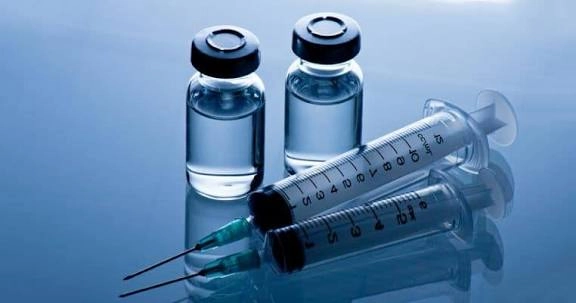
- Volunteer Vaccination Consideration: Japan stated it is considering vaccinating roughly 70,000 registered volunteers working for the Tokyo Olympics and Paralympics ahead of the Games opening in mid-July, following the start of athlete vaccinations on 1 June.
- Olympic Minister Statement: Japan’s Olympic minister, Tamayo Marukawa, told parliament that officials are considering vaccinating about 70,000 volunteers for the summer’s Tokyo Olympics and Paralympics to improve safety during the coronavirus pandemic.
- Pandemic Figures and Rollout Context: Japan, a country of 127 million people, has recorded 763,891 coronavirus cases—including 13,645 deaths—since the outbreak began, while lagging in its overall vaccination programme, as Pfizer Inc. provides vaccines free of charge to participating Olympic delegations with the Games 50 days away, according to the International Olympic Committee.
- GPS Monitoring of Media Personnel: Tokyo Olympics organising committee president Seiko Hashimoto announced that media personnel covering the Games will be monitored using global positioning system (GPS) technology and other measures to ensure they do not visit places outside pre-registered locations.
- Quarantine and Lodging Restrictions on Journalists: Journalists travelling to Japan for the Olympics must complete a 14-day quarantine period ahead of the Games and are barred from using private lodging or staying at friends’ homes.
Japan (Japan Daily News) November 23, 2026 – Japan is considering vaccinating approximately 70,000 registered volunteers for the Tokyo Olympics and Paralympics ahead of the Games’ mid-July start, while organising committee president Seiko Hashimoto announced strict GPS monitoring and lodging rules for media personnel. Olympic minister Tamayo Marukawa told parliament that vaccinating the volunteers is under consideration to bolster pandemic safety as Japan records 763,891 coronavirus cases and 13,645 deaths among its 127 million population. Meanwhile, journalists entering Japan for the Games face a 14-day pre-Games quarantine, cannot stay in private homes or with friends, and face GPS tracking to enforce adherence to pre-registered locations.
- How Do Vaccine Plans, Pandemic Figures, and Athlete Rollouts Fit Together?
- What Rules and Monitoring Apply to Journalists Covering the Tokyo Olympics?
- How Do the Key Figures and Measures for the Tokyo Games Compare?
- Background of the Particular Development After the News
- How This Development Can Affect Volunteers, Journalists, and Event Operations
As reported by Riyaz ul Khaliq of Anadolu Agency and Yeni Şafak, Japan said on Tuesday that it is considering vaccinating all volunteers working for the Tokyo Olympics set to begin in mid-July.
There are about 70,000 volunteers registered for the world’s largest sporting event, which was postponed a year earlier until this summer due to the COVID-19 pandemic.
As reported by Kyodo News and Yeni Şafak, Japan’s Olympic minister, Tamayo Marukawa, told parliament that Japan is “considering vaccinating about 70,000 volunteers for this summer’s Tokyo Olympics and Paralympics to improve the safety of the games amid the coronavirus pandemic”.
How Do Vaccine Plans, Pandemic Figures, and Athlete Rollouts Fit Together?
Reporting from Anadolu Agency, Kyodo News, and the International Olympic Committee outlines the vaccination timeline and epidemiological backdrop surrounding the Games:
- Athlete Vaccinations Underway: Japan began administering vaccinations to its athletes on 1 June.
- National Case and Death Totals: Japan, which has a population of 127 million people, has recorded 763,891 coronavirus cases, including 13,645 deaths, since the outbreak began.
- Pace of Broader Rollout and Pfizer Supply: While Japan—the world’s third-largest economy—has been lagging behind in its broader vaccination programme, United States pharmaceutical company Pfizer Inc. is supplying vaccines free of charge to delegations taking part in the Tokyo Games, which are 50 days away according to the International Olympic Committee.
What Rules and Monitoring Apply to Journalists Covering the Tokyo Olympics?
Alongside volunteer vaccination discussions, organising committee leadership set out strict movement and accommodation requirements for media personnel:
- GPS and Movement Controls: According to reporting by Riyaz ul Khaliq of Anadolu Agency and Yeni Şafak, media personnel covering the Tokyo Olympics will also be monitored to prevent violations of COVID-19 protocols. Tokyo Olympics organising committee president Seiko Hashimoto stated: “To make sure they [media] do not go to places other than those pre-registered, we will use the global positioning system and other means to strictly control their activities”.
- Mandatory 14-Day Quarantine: Journalists arriving in Japan for the Olympics are required to complete a 14-day quarantine period ahead of the Games.
- Ban on Private Lodging and Friends’ Homes: Organisers also decided not to allow journalists to use private lodging or stay at friends’ places.
How Do the Key Figures and Measures for the Tokyo Games Compare?
A structured summary outlines the core figures, timelines, and operational rules reported in the coverage:
| Measure / Figure | Reported Detail | Context & Source |
| Volunteer Pool | Approximately 70,000 registered volunteers | Under consideration for vaccination ahead of mid-July start, per Kyodo News and Anadolu Agency. |
| Athlete Vaccination Start | Began on 1 June | Preceded volunteer vaccination consideration as Japan’s broader rollout lagged. |
| Japan Pandemic Totals | 127 million population; 763,891 cases; 13,645 deaths | Recorded since the start of the coronavirus outbreak. |
| Delegation Vaccine Supply | Free vaccines from Pfizer Inc. | Provided to participating delegations with the Games 50 days away, per the International Olympic Committee. |
| Media Restrictions | 14-day quarantine prior to Games; no private/friends’ lodging; GPS monitoring | Announced by organising committee president Seiko Hashimoto to enforce pre-registered locations. |
Background of the Particular Development After the News
Staging the Olympic and Paralympic Games during an active global pandemic required host authorities and international sports bodies to balance competitive scheduling with public health safeguards and domestic sentiment. Following the decision to delay the Games by one year, organisers introduced layered infection-control frameworks—often referred to as “playbook” protocols—governing travel, testing, accommodation, and movement for athletes, officials, volunteers, and accredited media.
Because volunteers interact closely with participants, spectators, and venue operations while media crews move between competition venues, press centres, and accommodation sites, questions around vaccine access and movement tracking became central to operational planning in the final weeks before the opening ceremony.
How This Development Can Affect Volunteers, Journalists, and Event Operations
The consideration of volunteer vaccinations alongside strict quarantine, lodging, and GPS monitoring rules for media carries practical implications for key groups involved in the Games:
1. Olympic Volunteers and Local Health Logistics
For the roughly 70,000 volunteers and local medical teams, expanding vaccine access before mid-July could support safer frontline participation at venues, while requiring rapid scheduling and supply coordination given the compressed timeline before the Games begin.
2. Accredited Journalists and News Organisations
For reporters and news crews travelling to Japan, mandatory 14-day pre-Games quarantine, restrictions on private accommodation, and GPS-based movement tracking require advance travel planning, approved lodging bookings, and strict adherence to pre-registered itineraries.
3. Organising Committee and Public Confidence
For organising committee officials and Japanese residents, visible safety measures—including volunteer vaccination considerations and enforced protocol compliance—aim to reduce transmission risks and reassure the public as international participants arrive for the summer Games.